
Operational software for systems that cannot fail.
We build private platforms for defense-adjacent enterprise, critical infrastructure, and intelligence workflows. Deployed inside the customer’s boundary, owned by the customer, no third-party data egress.
Most software is built for the predictable case. Operational software is the inverse— it must produce defensible outputs the moment a system enters a state nobody designed for.
We build for those moments. Private deployments. Deterministic behavior. Traceable decisions. Architecture that degrades gracefully under load. The software your operators rely on when the dashboards somewhere else go dark.
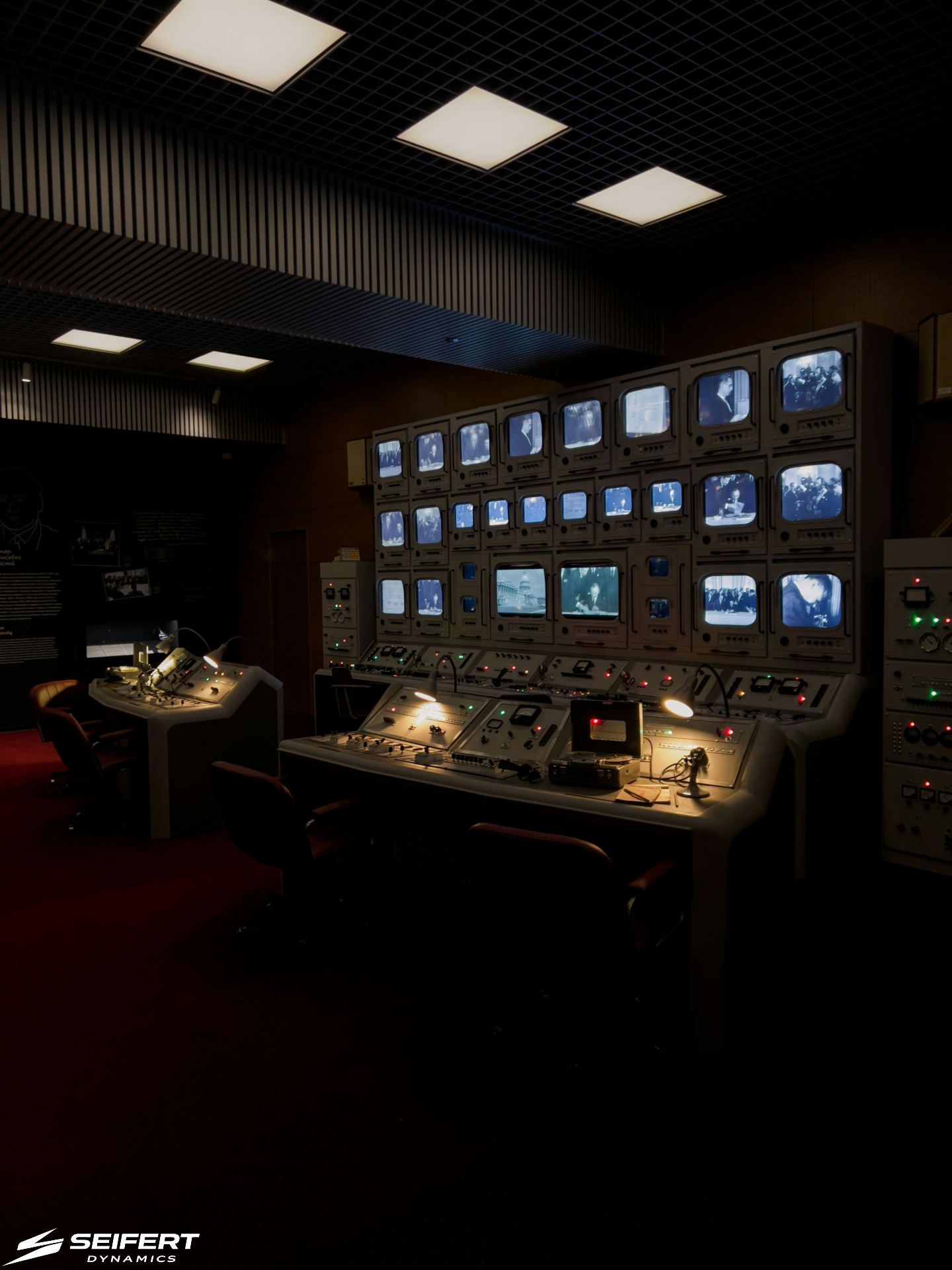
Atlas.
One defensible record.
Our first deployed platform. Atlas unifies security operations, asset registry, incident response, runbook execution, and CMMC compliance tracking into a single private deployment— built for defense-adjacent enterprise.
-
DeploymentPer-tenant, isolatedEach customer gets a dedicated instance. No shared compute, no shared database, no shared inference layer.
-
AuthenticationJWT · TOTP · 3-tier RBACPer-request token validation, mandatory TOTP for admin roles, force-logout on password change.
-
ComplianceCMMC 14 domains · POAM · SSPContinuous practice tracking with evidence file attachments and direct CSV export to assessors.
-
TenancyMulti-org, fully isolatedEvery database query is scoped by organisation ID. No cross-org reads, ever.
-
Data egressNoneNo third-party telemetry. No analytics SDKs. No outbound calls except those the operator explicitly configures.
Six disciplines. One operational stack.
-
01
Operational Intelligence
Live awareness for distributed operations— entity tracking, alerting, and the decision layer beneath every operational call.
arrow_outward -
02
Systems Reliability
Architecture for graceful degradation. Failure-mode analysis and the runbooks operators actually use when systems behave badly.
arrow_outward -
03
Infrastructure Software
Private platforms for the systems no public cloud is allowed near. Deployed inside your boundary, owned by you, no shared services.
arrow_outward -
04
Decision Support
Tooling that converts signals into defensible operator actions— with the audit trail to answer for every call after the fact.
arrow_outward -
05
Logistics Software
Coordination layers for the long tail— assets, dependencies, hand-offs, and the operational state nobody else is tracking.
arrow_outward -
06
Compliance Workflows
CMMC, POAM, SSP— framework artifacts assessors expect, generated continuously from the platform that runs your operation.
arrow_outward
How we engage. Selectively, and in sequence.
Discover
A focused conversation about environment, requirements, fit. No sales process, no NDAs at first contact.
Architect
Operational requirements turned into deployment shape, data model, integration boundaries, and threat surface.
Deploy
Inside your boundary. On your hardware or controlled cloud. Owned by you, delivered with documentation and runbooks.
Sustain
Long-term operational support — updates, audit cycles, capability extensions on the cadence your operation requires.
Where we operate.
Selective engagements with operators in environments where conventional tooling falls short and the consequences of failure are non-recoverable.
- Critical InfrastructureEnergy · Water · Transit
- Defense-Adjacent EnterpriseDIB · Primes · Suppliers
- Industrial OperationsManufacturing · Logistics
- Public Sector & Civic SystemsFederal · State · Civic
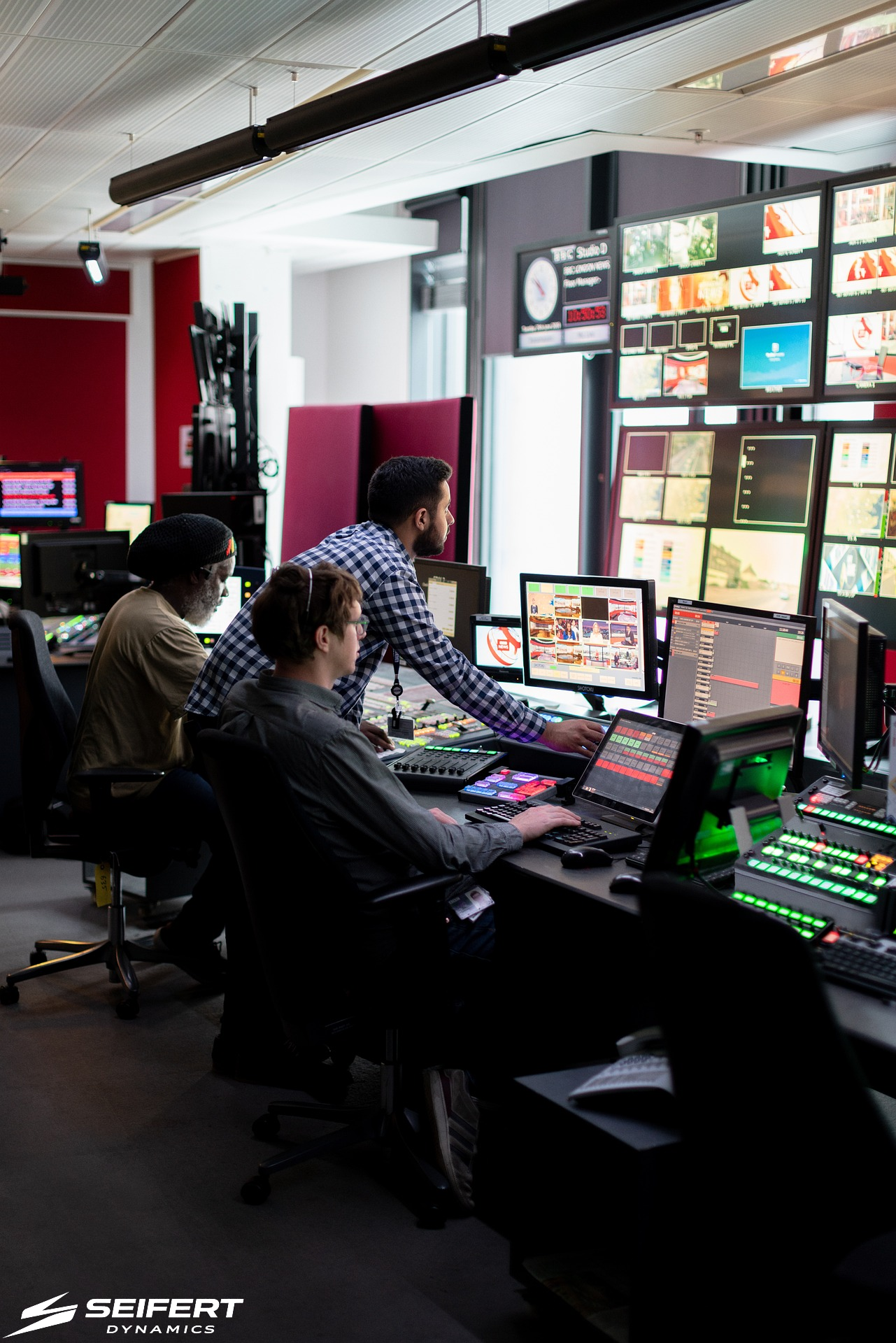
Selected perspectives.
Archive arrow_forwardOn the architecture of operational continuity
How software systems built for continuity differ fundamentally from those built for speed.
Traceability as a first-order requirement
Why audit-grade traceability must be designed into the data model from inception.
The integration discipline
Enterprise software environments demand more than API compatibility. They require systems that respect operational context.
Serious environments require serious partners.
We engage selectively. Conversations begin with environment, requirements, and fit— no standard sales process. If your operation can’t afford a non-recoverable failure, we should talk.